
Why winter tires in summer cost you
By LSG Auto Nation ·
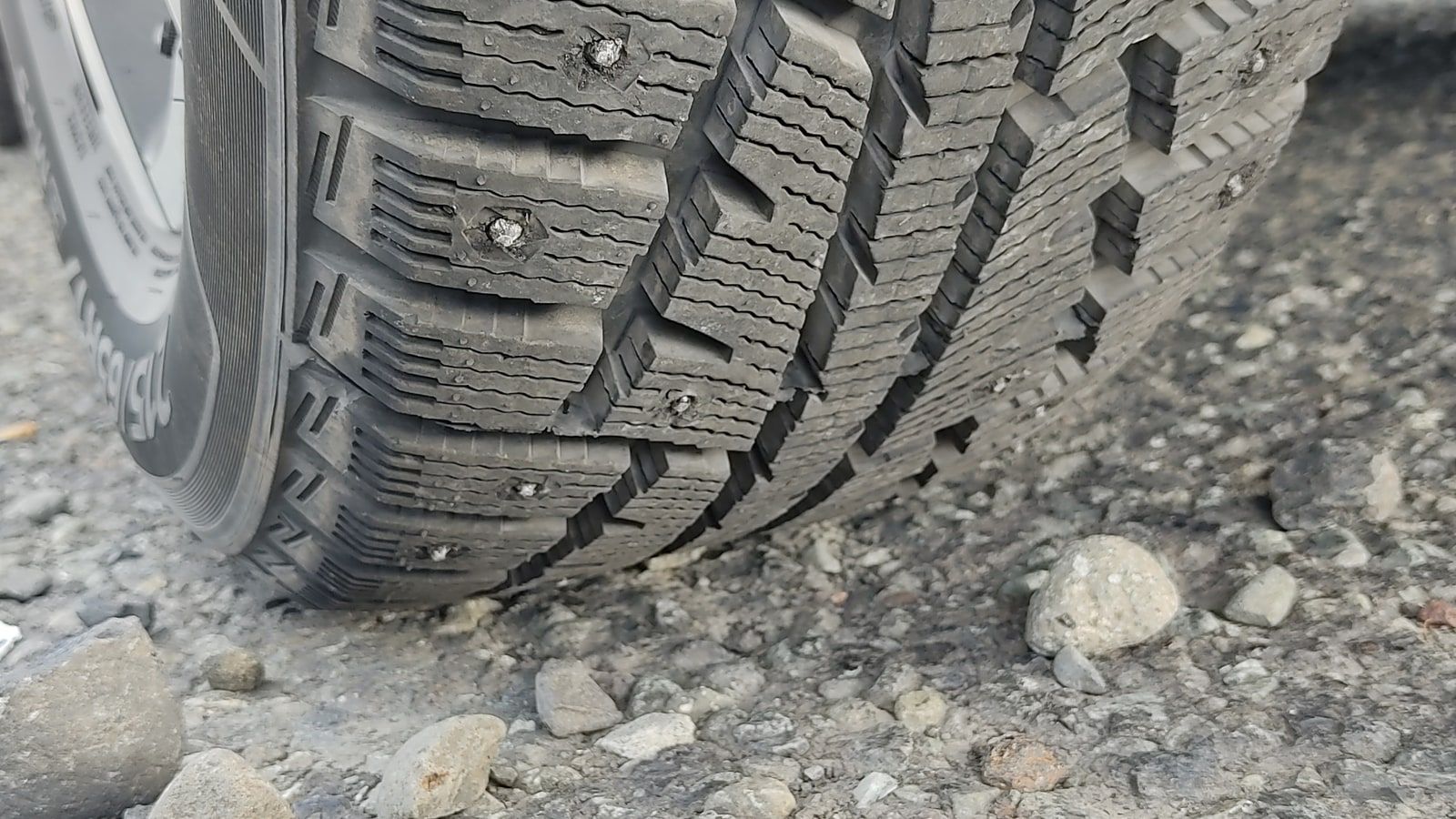
Short answer
Winter tires are made from soft rubber that grips in the cold. On hot summer roads that rubber wears out quickly, takes longer to stop and uses more gas. Switch back to your summer or all-season tires once daytime temperatures stay above about 7°C, and your winter set will last for more seasons.
Winter tires are built for cold. Their soft rubber and deep, blocky tread grip snow and ice, but on warm pavement that same design works against you.
What it costs you
- Faster wear. Soft rubber wears quickly on hot roads, so you’ll buy a new set sooner.
- Longer stops. On warm, dry roads, winter tires take longer to stop than summer or all-season tires.
- More gas. Soft rubber and deep tread make the tires harder to roll.
- Less precise steering. The flexible tread blocks feel vague in corners.
When to switch back
Once daytime temperatures stay above about 7°C. On BC highways, winter tires are required until March 31, or April 30 on mountain passes such as the Coquihalla.
Store your winter tires in a cool, dry place, away from sunlight. We swap and check them at every seasonal tire changeover.