
Why car batteries die in cold weather
By LSG Auto Nation · · Updated
Short answer
Cold weather makes a car battery weaker at the same time as a cold engine needs more power to start. So a battery that's already worn out from age or summer heat often gives up on the first cold morning. Most batteries last three to five years. If yours is three or more years old, get it tested before winter.
A car battery rarely dies without warning. Most give signs for weeks first, and cold weather is usually what finally finishes off a weak one.
Why do batteries die in the cold?
Two things happen at once on a cold morning:
- The battery gets weaker. A battery makes power through a chemical reaction, and cold slows that reaction down.
- The engine gets harder to turn. Cold engine oil is thick, a bit like honey, so the starter needs more power to get the engine going.
Summer heat does damage you can’t see. It wears out the inside of the battery, so many batteries go into winter weaker than they seem.
What are the signs of a weak battery?
- The engine turns over slowly, especially on cold mornings
- You hear clicking when you try to start the car
- The headlights or dashboard lights look dim
- The battery warning light comes on while you drive
- White or green crusty build-up on the battery posts
- The battery is more than three years old
How long do car batteries last?
Most last three to five years. Lots of short trips, plug-in accessories, very hot summers and very cold winters all shorten that. A battery test shows how much starting power yours has left, which tells you more than its age alone.
How can I avoid a dead battery this winter?
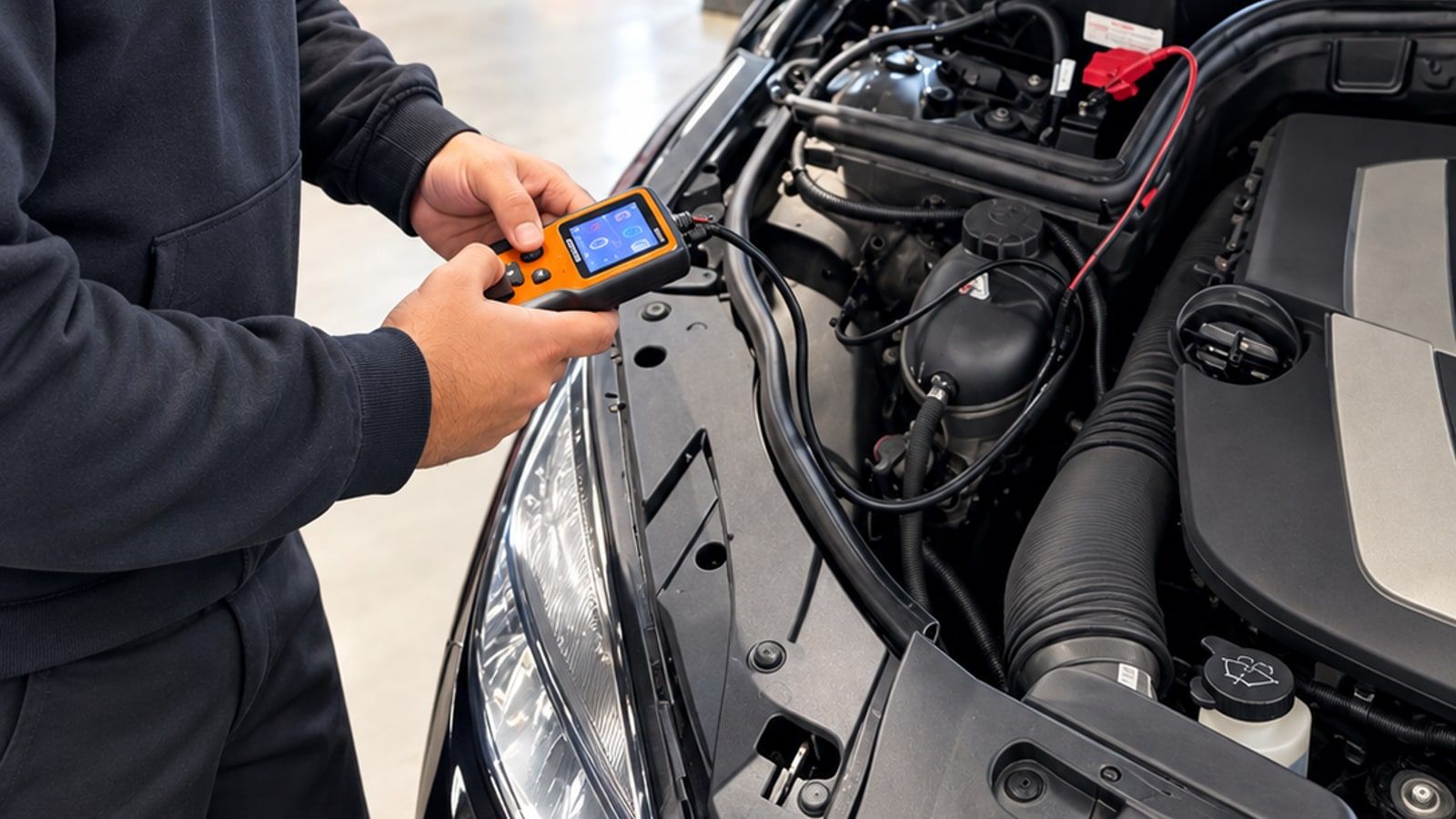
- Get it tested in the fall if it’s three or more years old. The test only takes a few minutes.
- Keep the battery posts clean and tight. Crusty build-up stops the battery from charging properly.
- Take a longer drive every week or so. Short trips don’t fully recharge the battery.
- Plug in your block heater on very cold nights, if your car has one.
- Turn off the lights, heater and other extras before you switch off the engine.
What if it isn’t the battery?
If a new battery keeps going flat, something else may be the problem. The alternator, which charges the battery while you drive, may be failing. The starter, the motor that turns the engine over, may be worn. Or something may be draining the battery overnight. Testing the whole system finds the cause, so you don’t pay for a battery you didn’t need.