
How to save gas: simple ways to improve your fuel economy
By LSG Auto Nation · · Updated
Short answer
To use less gas, keep your tires pumped up and change your oil on time. Replace a dirty air filter, deal with warning lights quickly, and drive smoothly at a steady speed. If your car suddenly starts using more gas than usual, something probably needs checking.
Gas is one of the biggest costs of owning a car. You can’t change your engine, but some simple car care and a few driving habits make a real difference to how far each tank takes you.
Which car care saves the most gas?
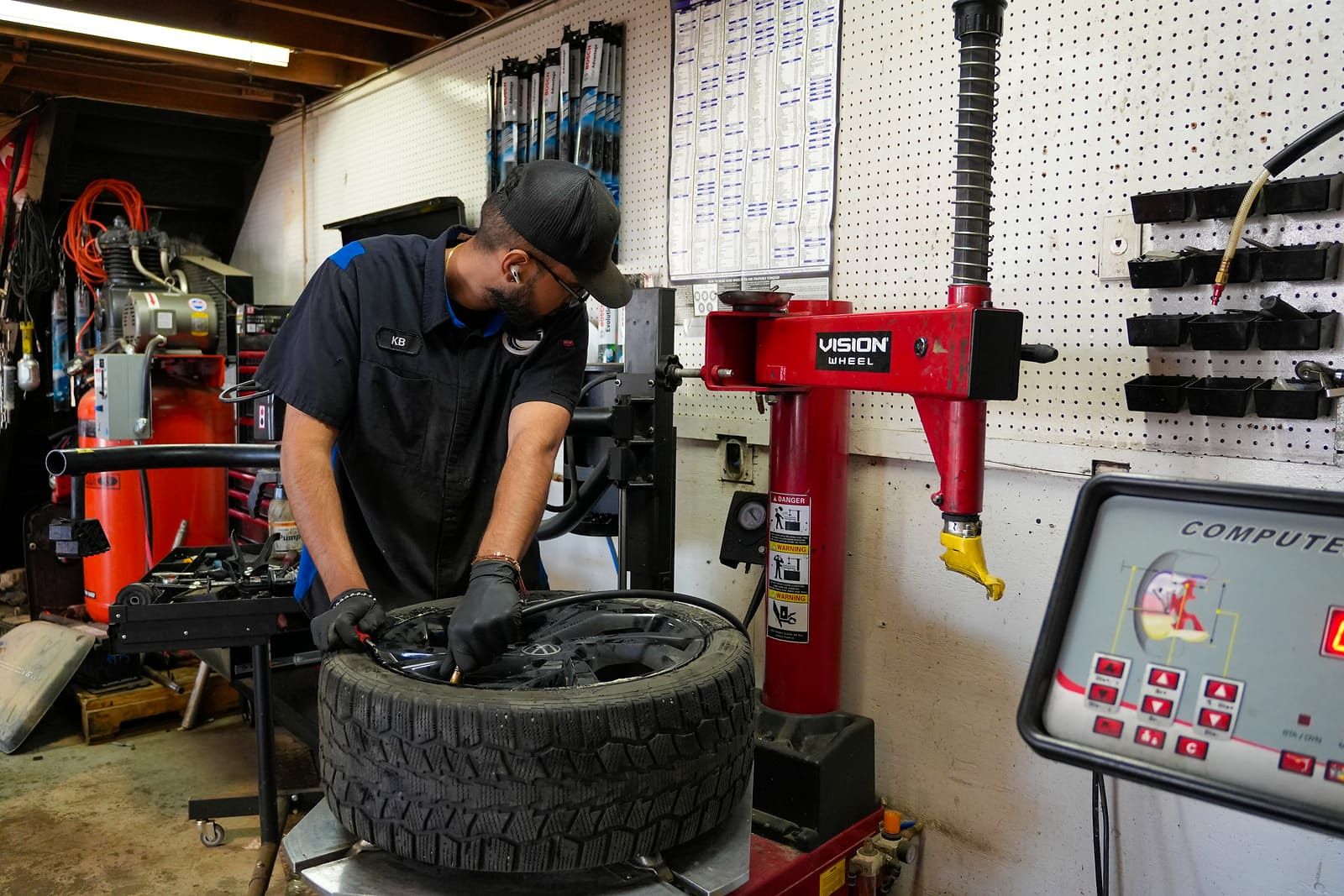
- Keep your tires pumped up. Soft tires drag on the road. Check the pressure once a month, using the numbers on the sticker inside the driver’s door.
- Change your oil on time, and use the type your owner’s manual lists. The wrong oil makes the engine work harder.
- Replace a dirty air filter. It’s a cheap part, and it’s easy to check at an oil change.
- Don’t ignore warning lights. A failing sensor or worn spark plugs can quietly waste gas. A tune-up replaces worn spark plugs, and a diagnostic check finds other problems.
- Check your wheel alignment. If your wheels don’t point straight, the tires drag and wear unevenly. See wheel alignment.
Which driving habits save gas?
- Speed up gently, and look ahead so you brake less.
- Keep a steady speed on the highway. Use cruise control when it’s safe to.
- Slow down a little. Natural Resources Canada says driving at 120 km/h uses about 20% more gas than driving at 100 km/h.
- Don’t idle. If you’ll be stopped for more than a minute, and you’re not in traffic, turn the engine off.
- Lighten the load. Take off roof racks and heavy things you’re not using.
Winter tips
- Skip the long warm-up. Most modern cars only need about 30 seconds of idling, even in winter. Then drive gently for the first few kilometres.
- Use your block heater on very cold days. A warm engine starts more easily and uses less gas. A timer means it only runs for the couple of hours before you leave.
- Check your tire pressure more often. Cold weather lowers it.
When does using more gas mean a problem?
If your car suddenly uses more gas than usual, especially along with a warning light, rough running or a smell of gas, something probably needs attention. Book a check instead of living with it. Fixing the cause often pays for itself at the pump.